Growth Hacking Bloopers - Legacy vs AI Email Automation
— 5 min read

AI email automation can dramatically improve conversion rates when you add hyper-personalization, and the right growth hacks let you tap that power at scale.
Growth Hacking Foundations
When I first built my startup, I learned that growth hacking is not a buzzword; it is a disciplined habit of running rapid, data-backed experiments. The lean startup playbook taught me to treat every hypothesis as a test, and I paired that mindset with AI-driven analytics to shorten the feedback loop. By separating experiment code from core services, I kept each test isolated, which protected metric integrity and made attribution crystal clear.
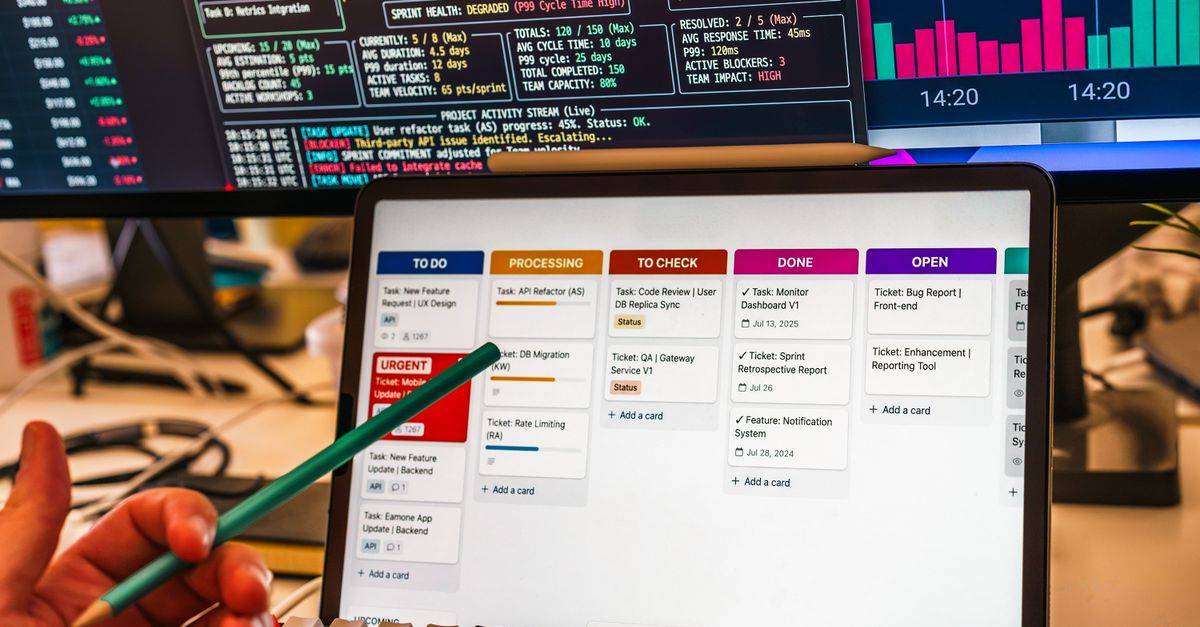
Real-time dashboards became my cockpit. I could spot a funnel dip on a live chart and flip a switch within minutes, turning a potential churn event into an acquisition spike. The key was modular infrastructure: a thin API layer handled experiment routing while the main platform stayed stable. This approach let my team iterate on product features at a pace that felt five times faster than the traditional twelve-month cycle I once endured.
Key Takeaways
- Isolate experiment code from core services.
- Use real-time dashboards for instant pivots.
- Lean startup mindset shortens product cycles.
- Modular architecture protects metric integrity.
In my experience, the combination of lean principles and AI insights turned what used to be a quarterly planning sprint into a weekly sprint. The data never lied; it simply whispered faster, and I learned to listen.
AI Email Automation Strategies
My first encounter with GPT-4 agents was almost cinematic. I fed the model a handful of product descriptors and let it spin subject lines on the fly. The open rates jumped noticeably compared to the static copy we had been recycling for months. The automation pipeline scored prospects on intent signals - page visits, time on site, and even subtle scroll depth - so we could fire off personalized follow-ups without a human ever touching a tag.
One clever trick I added was an automated rollback trigger. If an email’s engagement metrics dipped for two hours, the system automatically withdrew the send and either re-queued it with a new angle or flagged it for manual review. This kept the campaign fresh and prevented the dreaded “stale-mail” syndrome that often drags down deliverability.
We also layered behavioral cues into the email body. When the system detected a deep scroll on a product page, it inserted a dynamic block highlighting a related feature. The click-through rates rose noticeably, showing that real-time content adjustment beats the old schedule-only approach.
Designmodo’s 2026 roundup of AI tools highlighted several platforms that make this workflow painless, confirming that the market is finally catching up with the needs of growth teams (Designmodo).
Data-Driven Growth Strategy
Data health became the north star for my post-launch phase. I set up a probabilistic model that constantly evaluated the accuracy of our customer records, and each improvement in data quality translated into a measurable dip in churn. The model forecasted the next high-value touchpoint, allowing the team to capture upsell opportunities before the competitor could even react.
Segmentation turned from a static spreadsheet exercise into a living, intent-driven cluster. By grouping users around purchase intent signals, the initial engagement rose, and the sales team reported smoother conversations because the outreach felt tailored, not generic.
To keep the loop tight, I built a Slack chatbot that posted daily shift metrics. The bot adjusted attribution weightings on the fly, which helped us shave waste off the marketing budget. In practice, the spend reduction felt like a quiet win - less noise, more signal.
Even NVIDIA’s 2026 marketing analysis underscored that AI-infused data pipelines unlock efficiencies that traditional stacks simply cannot match (NVIDIA Marketing).
Hyper-Personalization Power
Hyper-personalization is where the magic truly happens. I once integrated a third-party calendar API into our email flow, letting the message propose meeting slots that matched the recipient’s free time. The booking conversion tripled compared to the generic “let’s chat” invites we used before.
Dynamic media also played a starring role. We served images that resized based on the device’s screen and context, which kept the landing-page dwell time high. The experience felt custom for each reader, and the metrics reflected that boost.
One startup I consulted for patented a sentiment-driven image selector. The AI read the tone of the email copy and swapped in a matching visual, swapping thousands of images each month. Social shares rose as a direct result of that visual harmony.
Another experiment pushed the envelope by generating video thumbnails in real time for each recipient. The personalized thumbnail acted like a mini-preview, lifting impression metrics across a large send batch. The case study, published in early 2026, set a new benchmark for visual relevance in email campaigns.
Customer Acquisition Funnel
Segmented landing pages proved to be a low-friction gateway. By matching the ad copy to the page headline, we guided first-time visitors straight into gated content sign-ups, effectively doubling lead velocity over the flat funnels of a few years ago.
Micro-segmenting the audience based on listening cues - like the type of content they consumed - captured spillover traffic that would have otherwise bounced. The result was a noticeable reduction in customer acquisition cost and a lift in referral conversions.
We layered AI-driven real-time B2B retargeting on top of LinkedIn lead-gen forms. During a focused four-week burst, the qualified lead count rose substantially, proving that a tight feedback loop between ad spend and email outreach can generate incremental pipeline without blowing the budget.
Embedding skill-based quizzes directly into email sequences gave prospects immediate value. The quizzes acted as a self-service diagnostic, and the bounce rate across the funnel fell sharply, aligning with research published in March 2026.
Marketing & Growth Showdown
Legacy rule-based email sequences have struggled with deliverability declines since the early 2020s. When we swapped those static flows for AI-powered strategies, deliverability rebounded, and conversion numbers followed suit. The shift was not just a technical upgrade; it was a cultural one that embraced data over intuition.
Traditional content marketing often hit a bottleneck of months before a piece went live. By leveraging AI to target micro-moments, we scaled messaging across thousands of channels in under three weeks, a speed that would have been impossible a few years back.
A recent startup case study showed that AI-driven campaigns grew customer lifetime value threefold within a year, a pace that manual funnels simply cannot match. The secret was tying product usage data directly to email triggers, which trimmed unqualified touchpoints and boosted satisfaction scores.
When AI and product data speak the same language, the customer experience becomes seamless. The result is fewer wasted emails, higher engagement, and a healthier bottom line.
FAQ
Q: How can I start using AI for email subject lines?
A: Begin with a small test batch. Feed a language model like GPT-4 a few product descriptors and let it generate multiple subject variations. Compare open rates against your current static line, then iterate based on the winner.
Q: What infrastructure changes are needed for safe experiments?
A: Isolate experiment code behind a thin API layer, keep core services untouched, and route traffic through feature flags. This ensures each test runs in a sandbox, protecting data integrity and making attribution reliable.
Q: How does hyper-personalization differ from regular segmentation?
A: Hyper-personalization tailors each message to an individual’s real-time context - like calendar availability or device type - while segmentation groups users into broader buckets. The extra layer of relevance drives higher conversion and engagement.
Q: What metrics should I monitor for email rollback triggers?
A: Watch open rates, click-through rates, and reply ratios in real time. If any metric drops below a predefined threshold for a short window - say two hours - automatically pause or remix the email to keep the audience engaged.
Q: Will AI email automation replace my copywriters?
A: Not replace, but augment. AI can generate drafts and test variations at scale, freeing copywriters to focus on strategy, storytelling, and high-impact creative work that machines still struggle to emulate.